Understanding financial regulation and enforcement trends in 2026 makes predicting the weather look straightforward.
While much has been made of the trend towards deregulation and dampened enforcement activity, this is unlikely to translate into more certainty and less complexity for financial organizations in the year ahead. In fact, many will be tested by risk factors outside their control and growing accountability.
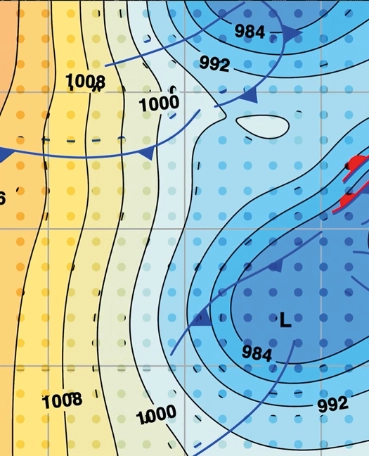
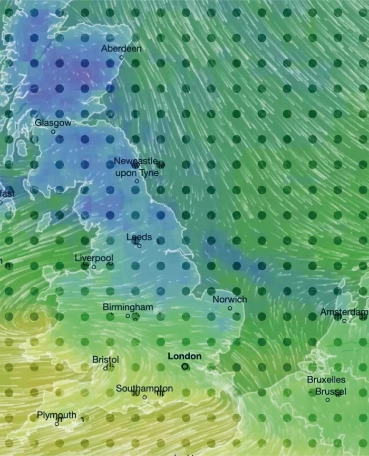
We forecast a pivotal year for investigations and enforcement, with pressure building on three fronts — politics, people and technology.

Culture and conduct under one umbrella

Prevailing winds

Where clouds gather
Fronts to monitor in 2026
Your outlook at a glance
Financial firms face unpredictable external threats and expanding liability in 2026. As pressure builds across politics, people and technology, smart organizations will plan for adverse conditions. There’s no such thing as bad weather, only the wrong clothes.



The FCA's Final Crypto Regime: What Firms Need to Know and Do Next
While much of the architecture was already visible through earlier consultations, firms now have something they have lacked throughout much of the process: certainty.

UK financial services reform 2026: from growth agenda to regulatory execution
As a mid‑year update to our Emerging Themes in Financial Regulation & Disputes 2026 outlook, these developments confirm – and refine – the trajectory identified at the start of the year: a move towards a more flexible, growth‑oriented and regulator‑led framework, driven by the interplay of politics, people and technology.

CP26/13: The FCA sharpens the cryptoasset regulatory perimeter
As crypto moves from the margins to the mainstream of the UK financial system, regulatory uncertainty is giving way to structured supervision, authorisation and enforcement.
















Stay up to date with our latest Financial Regulation and Disputes insights
Meet our global practice co-leaders
Discover how we can help navigate this pivotal year for investigations and enforcement.